Trade commodities

Strengthen your portfolio by trading CFDs or Options on gold, precious metals, and oil.

Why trade commodities with Deriv

Zero commission trades

Maximise your potential returns without worrying about extra fees or costs.

Swap-free trading, no overnight fees

Focus on market movements without worrying about overnight charges.
Red no-entry symbol on a stack of silver coins, illustrating trading with no commission

Inflation hedge

Protect your portfolio with assets that historically rise in value during inflation.
What we offer

Precious metals

Precious metals like gold and silver are vital indicators that often reflect market sentiment.

Base metals

Base metals like copper and lead drive global industry and development.
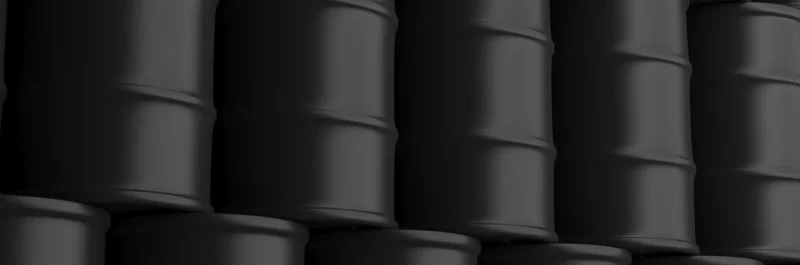
Natural energies

Trade crude oil and speculate on price movements shaped by global events and geopolitics.

Soft commodities

From coffee to cotton, soft commodities offer trading opportunities driven by weather and global demand.

Explore our commodities

Showing 1- 10 of 17
Instrument
Contract size
Base currency
Min size
Vol limit
Min spread
Target spread in %
Max effective leverage
Margin required (%)
Swap long (pts)
Swap short (pts)
Trading hours (gmt)
Cocoa
100USD0.01115.170.32%1:205.00%-148.615.35Mon 08:45 - Fri 17:30 GMT
CoffeeArab
100USD0.01101.810.59%1:205.00%1.30-27.83Mon 08:15 - Fri 17:30 GMT
CoffeeRobu
100USD0.01170.23%1:205.00%14.94-324.61Mon 08:00 - Fri 16:30 GMT
Cotton
100USD0.01200.240.29%1:502.00%-2.640.10Mon 01:00 - Fri 18:20 GMT
NGAS
10000USD0.150.0120.49%1:502.00%-1.320.50Sun 22:05 - Fri 20:55 GMT. Daily break 20:55 - 22:05
Sugar
100USD0.011000.10.57%1:502.00%-1.11-1.09Mon 07:30 - Fri 17:00 GMT
UK Brent Oil
1USD110000.0210.03%1:502.00%-32.72-59.68Mon 00:00 - Fri 21:00 GMT
US Oil
1USD110000.0190.03%1:502.00%-10.44-35.76Sun 22:00 - Fri 21:00 GMT. Daily break 21:00 - 22:00
XAGEUR
5000XAG0.01100.0370.09%1:5000.20%-6.451.49Sun 22:10 - Fri 20:45 GMT. Daily break 20:59 - 22:05
XAGUSD
5000XAG0.01150.030.05%1:8000.13%-10.413.16Sun 22:10 - Fri 20:45 GMT. Daily break 20:59 - 22:05

How to trade commodities on Deriv

CFDs

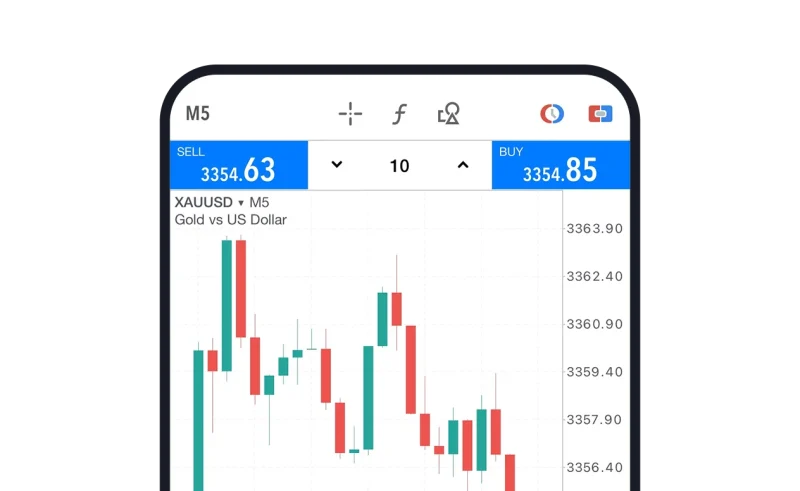
Speculate on the price movements of popular commodities with high leverage and advanced technical indicators.

Deriv MT5 mobile chart of XAU/USD gold candlesticks with live buy and sell prices

Options

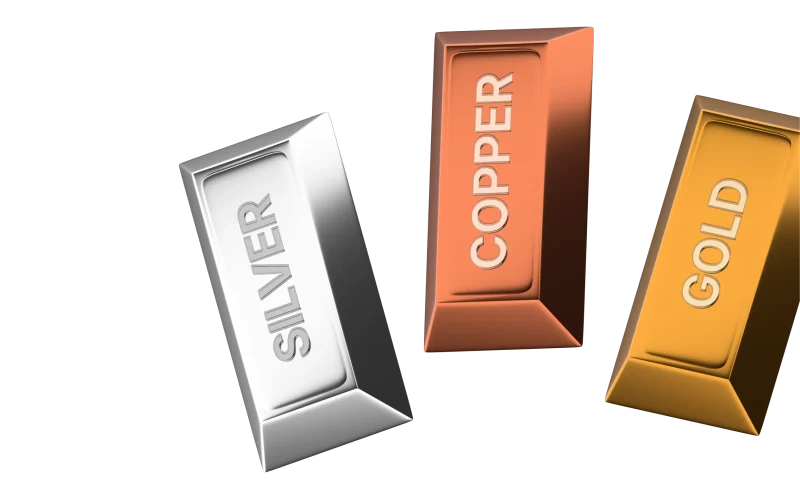
Predict the market trends of commodities without risking more than your initial stake.

Metal bars labelled silver, copper and gold

Commodities FAQs

The benefits of commodities trading include: Portfolio diversification : Commodities often have a low correlation with traditional financial assets like stocks and bonds. Adding commodities to a trading portfolio can help diversify risk and reduce overall portfolio volatility. Inflation hedge : Many commodities, such as gold, oil, and agricultural products, have historically served as hedges against inflation. Tangible assets : Commodities represent physical assets. However, it is important to note that paper commodity prices can sometimes temporarily diverge from physical commodity prices during periods of market stress, which means premiums have widened. Global economic exposure : Commodities often reflect the state of the global economy and can provide insights into the health of specific industries and regions. Risk management: For businesses involved in industries reliant on commodities (eg, agriculture, energy, manufacturing), commodity markets provide a way to manage price risk through hedging. Seasonal trends : Many commodities exhibit seasonal price patterns due to factors like weather, harvest cycles, and consumer demand. Traders can use historical patterns to anticipate price movements and make informed trading decisions. Transparency : Commodity markets are often highly transparent, with readily available information on supply and demand fundamentals. This transparency can help traders make informed decisions.
The main differences are: Ownership of underlying assets: In commodities spot trading, you purchase and own the actual physical commodity or a contract representing the ownership of that commodity. While in commodities CFD trading, there is no ownership of the commodity. Instead, you are trading on the commodity's price movements. Delivery and settlement : Spot contracts typically involve the actual delivery of the physical commodity at a specified location and time. This is common in agricultural and energy commodities, where physical delivery is part of the contract. CFDs do not involve physical delivery. Instead, they are cash-settled contracts. Leverage : Leverage in spot trading is generally limited. If you want to buy a specific amount of a commodity, you typically need to pay the full purchase price. CFDs offer significant leverage, allowing traders to control larger positions with a relatively small amount of capital. While this can amplify potential profits, it also increases potential losses. Short selling : With CFDs, it is possible to short-sell commodities. Regulatory environment : Spot trading in physical commodities is often subject to various regulatory and logistical requirements, including storage, transportation, and quality standards. Regulatory oversight may vary by jurisdiction and commodity type. Costs : Spot trading may involve costs such as storage fees, transportation costs, and insurance expenses, depending on the commodity. Additionally, commissions and fees may apply. CFD trading has no commissions but instead will have a spread cost and usually come with daily financial charges (except on swap-free accounts).
For most commodity CFDs, there are no storage or physical delivery requirements. Since CFDs (contracts for difference) are derivative instruments, they allow traders to speculate on the price movement of commodities without actually owning the physical asset. CFDs are settled in cash based on the price difference between the opening and closing positions. However, it's important to note that some commodities, particularly in the futures market, may involve physical delivery if the positions are held until the contract's expiry date. In such cases, traders may need to take physical delivery or roll over their positions to avoid delivery obligations. It's essential to understand the terms and specifications of the specific commodity contracts you are trading.
There are various factors affecting commodity prices such as: Supply and demand: The balance between supply and demand is a key driver of commodity prices. Factors such as production levels, weather conditions, geopolitical events, and changes in consumption patterns can impact supply and demand dynamics. Economic factors : Economic indicators, such as GDP growth, inflation, interest rates, and currency exchange rates, can influence commodity prices. Commodity prices often reflect the overall health of the global or regional economy. Government policies : Government regulations, trade policies, subsidies, tariffs, and taxation can affect commodity prices. Political stability and geopolitical tensions can also have significant impacts. Weather conditions : Weather patterns, including droughts, floods, hurricanes, and other natural disasters, can impact agricultural commodities and energy commodities (eg, hurricanes affecting oil production in the Gulf of Mexico). Speculation and investor sentiment : Speculative trading activities and investor sentiment can drive short-term fluctuations in commodity prices. Investor demand for commodities as a hedge against inflation or as a safe-haven asset can also influence prices. US dollar strength : Since commodities are largely priced in US dollars, the strength of the dollar measured by the US Dollar Index (DXY) impacts commodity prices inversely.
WhatsApp